
Mount Elizabeth Novena Hospital #10-48/49


Should I Push Haemorrhoids Back In Myself?
February 20, 2026
If you are dealing with haemorrhoids, especially those that prolapse or bulge outside the anus, it might be tempting to push them back in yourself. But is it safe to do so?
The short answer is: it depends.
In this article, we will explain what prolapsed haemorrhoids are, how exactly you should deal with piles, and when to seek
hemorrhoids treatment in Singapore. We will also share tips on how to prevent future prolapse so you can manage your condition more confidently.
What Are Prolapsed Haemorrhoids?
Haemorrhoids, or piles, are swollen veins in the anus and lower rectum. They can be internal (located inside the rectum) or external (located under the skin around the anus). Internal haemorrhoids may prolapse, meaning they slip down and protrude through the anal opening.
Prolapsed haemorrhoids are classified into grades:
- Grade I: No prolapse, just prominent blood vessels.
- Grade II: Prolapse occurs during straining but returns to its normal position on its own.
- Grade III: Prolapse with straining and needs to be pushed back in manually.
- Grade IV: Prolapsed and cannot be pushed back in.
Is It Safe to Push Haemorrhoids Back In?
General Recommendation
Doctors generally advise caution when it comes to pushing prolapsed haemorrhoids back in. In some cases, particularly with Grade III haemorrhoids, it may be acceptable to gently reposition them. If you do, make sure your hands are clean and apply only minimal pressure. Using lubricants such as KY Gel may facilitate the process and reduce the trauma to the surface.
Repositioning may offer temporary relief. However, if the process causes significant pain or the haemorrhoids repeatedly pop back out, stop immediately and consult a doctor.
Potential Risks
Pushing haemorrhoids back in can sometimes worsen the condition or cause complications. Potential risks include:
- Tearing the tissue, leading to pain or bleeding.
- Infection, especially if hygiene is not maintained.
- Strangulation, where the blood supply is cut off, is a medical emergency.
- Increased swelling, inflammation, or further prolapse.
How to Safely Push Back a Prolapsed Haemorrhoid
- Stay calm. Prolapsed haemorrhoids can be uncomfortable but are rarely dangerous on their own.
- Try a cold compress. Applying a cold pack to the area may reduce swelling and make repositioning easier.
- Take a warm sitz bath. Soaking in warm water for 15 minutes, a few times a day, can help soothe the area and promote healing.
- Use a haemorrhoid cream. Over-the-counter creams with hydrocortisone can reduce inflammation and itching. Lidocaine-based creams may offer temporary numbing.
- Avoid straining. Straining during bowel movements increases the risk of prolapse. Use a stool softener or increase your water intake if needed.
- Gently reposition if needed.
If your doctor has advised it, you may attempt to gently push the haemorrhoid back in using a lubricated finger.
When Should You See a Piles Doctor?
While minor haemorrhoids can be managed at home, there are clear signs that it's time to consult a piles doctor:
- You experience persistent pain or bleeding.
- The haemorrhoid won't stay in place after repositioning.
- You suspect infection (e.g., redness, warmth, pus).
- There is severe swelling or an inability to pass stool.
- You have had recurrent prolapse or worsening symptoms.
- Your daily life is affected by haemorrhoid discomfort.
A
piles specialist can diagnose your condition, recommend suitable treatments, and rule out other causes of rectal bleeding.
Preventing Haemorrhoids from Prolapsing in the Future
A practical approach to managing prolapsed haemorrhoids is to focus on prevention. Here are steps you can take to reduce your risk:
- Adopt a high-fibre diet. Include fruits, vegetables, and whole grains to keep stools soft and regular.
- Stay hydrated. Drink plenty of water throughout the day.
- Avoid straining. Don't sit on the toilet for too long or push too hard during bowel movements.
- Exercise regularly. Exercise helps promote healthy digestion and prevents constipation.
- Respond to bowel urges promptly. Don't delay going to the toilet when you feel the need.
- Maintain a healthy weight. Obesity can increase pressure on rectal veins, leading to haemorrhoids.
See a Piles Specialist in Singapore
While self-repositioning may be helpful in some cases, it is essential to seek medical advice for severe or recurring prolapse. If you experience frequent prolapsed haemorrhoids or are unsure whether it’s safe to push them back in, consult a specialist for proper guidance and treatment.
At Colorectal Clinic Associates, we provide compassionate care tailored to your needs. Whether your symptoms are mild or severe, our team will help you find an appropriate treatment.
Book a consultation today.
LATEST NEWS
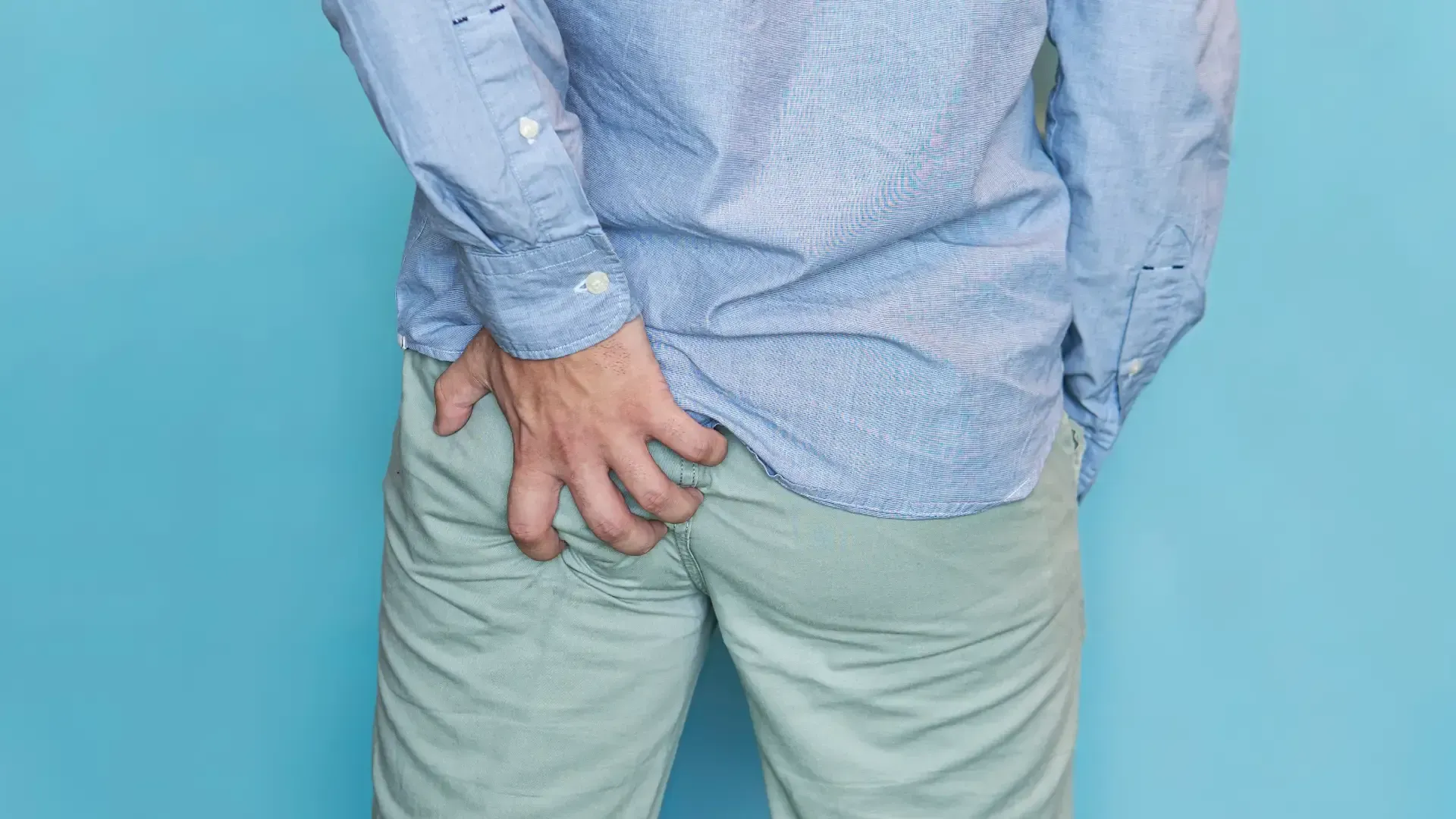
Persistent anus irritation could signal more than just discomfort. Find out what conditions you should be wary of and what steps you can take.

Learn what GERD is, why heartburn persists, and how this digestive disorder is diagnosed and treated. Discover when to seek help from a specialist.

Colorectal cancer is the second most common cancer among women in Singapore, but its symptoms are often mistaken for other conditions and screening is frequently overlooked. Dr Calvin Ong highlights that if symptoms persist, it’s important to seek medical advice early rather than delay.
Scheduled for minimally invasive gallstones surgery? Discover recovery tips on how to support your healing.