
Mount Elizabeth Novena Hospital #10-48/49


What Is GERD and Why Won't Your Heartburn Go Away?
April 24, 2026
Everyone experiences occasional heartburn from time to time. But when it becomes a frequent or chronic issue, it could be a sign of something more concerning: gastroesophageal reflux disease, or GERD.
If you have been struggling with a burning sensation in your chest that doesn't seem to go away, it may be time to see a doctor. Let's examine GERD, its symptoms, causes, and long-term effects on your health.
What Is GERD?
GERD stands for gastroesophageal reflux disease, a gastrointestinal condition characterised by stomach acid that flows back into the oesophagus. This backwards flow, known as acid reflux, irritates the oesophageal lining and typically causes heartburn or discomfort. While occasional acid reflux is common, doctors diagnose GERD when symptoms occur at least twice a week or interfere with daily life.
Over time, prolonged exposure to stomach acid can damage the oesophagus and lead to complications if left untreated.
Symptoms of GERD
Heartburn is the most common symptom of GERD. However, GERD can also present with other symptoms, including:
- A sour or bitter taste in the mouth (acid regurgitation)
- Difficulty swallowing
- A sensation of a lump in the throat
- Chronic cough or sore throat
- Hoarseness, especially in the morning
- Chest pain (not related to the heart)
- Nausea or frequent burping
In some people, GERD symptoms may mimic those of other conditions, such as heart disease or asthma, which can make it harder to identify without a professional diagnosis.
Why Does GERD Happen?
GERD occurs when the lower oesophageal sphincter (LES), a ring of muscle at the bottom of the oesophagus, becomes weakened or relaxes inappropriately. This makes it easy for stomach contents to flow back up into the oesophagus.
Over time, this repeated reflux can damage the oesophageal lining and lead to inflammation, ulcers, or even precancerous changes.
Risk Factors
Several factors may increase your chances of developing GERD:
- Obesity: Excess weight presses on the stomach, encouraging acid reflux.
- Pregnancy: Hormonal changes and increased abdominal pressure can trigger symptoms.
- Smoking: Tobacco weakens the LES and increases acid production.
- Certain foods and drinks: Spicy foods, caffeine, alcohol, chocolate, and fatty meals can trigger reflux.
- Hiatal hernia: A structural abnormality that affects the position of the stomach and LES.
- Medications: Some drugs, such as painkillers, muscle relaxants, or blood pressure medications, can worsen reflux.
How GERD Can Affect Your Health
When left untreated, GERD can lead to more than just discomfort. Chronic acid exposure can cause:
- Esophagitis: Inflammation of the oesophagus, which may lead to bleeding or ulceration.
- Stricture: Scar tissue that narrows the oesophagus, making swallowing difficult.
- Barrett's oesophagus: A condition characterised by changes to the lining of the oesophagus, heightening the risk of oesophageal cancer.
- Respiratory problems: Refluxed acid can be inhaled into the lungs, causing chronic cough, asthma-like symptoms, or even pneumonia.
When Should You Seek Help?
If you experience heartburn or other reflux symptoms more than twice a week, or if symptoms persist despite lifestyle changes or medication, it is time to seek medical attention. Other warning signs include:
- Difficulty or pain when swallowing
- Unintentional weight loss
- Vomiting blood or having black, tarry stools
- Chest pain that doesn't improve with antacids
- Persistent coughing or hoarseness
These symptoms could point to more serious gastrointestinal conditions and should not be ignored.
How GERD Is Diagnosed
A gastrointestinal (GI) specialist will begin with a review of your symptoms, lifestyle, and medical history. If GERD is suspected, the doctor may recommend more tests to confirm the diagnosis or assess damage. These may include:
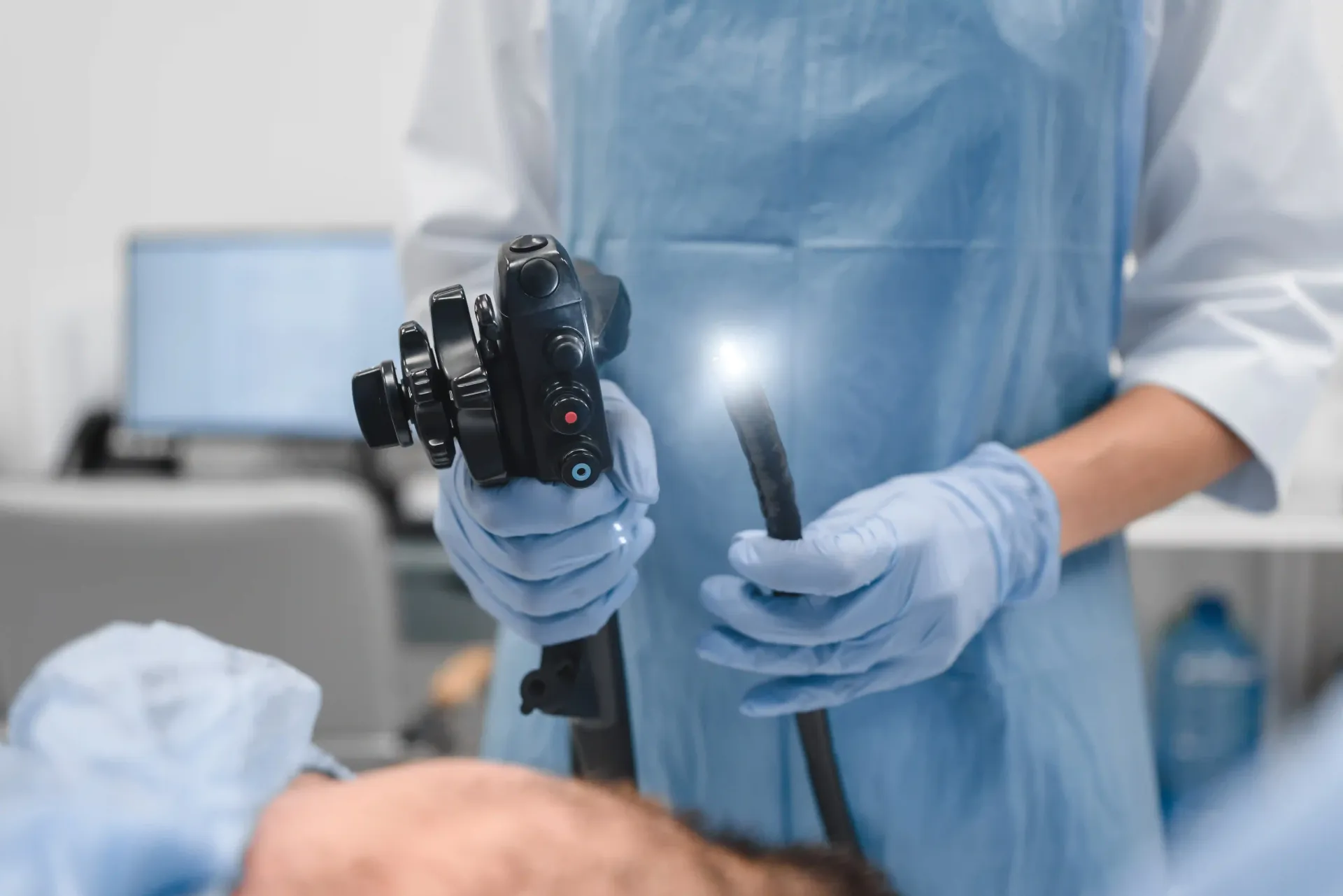
- Upper endoscopy (gastroscopy): The endoscope is inserted through the mouth to examine the oesophagus, stomach, and upper small intestine.
- pH monitoring: Measures acid levels in the oesophagus over 24 hours.
- Oesophageal manometry: Assesses the muscle function of the oesophagus.
- Barium swallow: An X-ray imaging test that highlights the upper GI tract.
What Happens During a Gastroscopy?
Gastroscopy is a common and minimally invasive procedure used to diagnose GERD and other upper GI conditions. The medical team will give you a mild sedative to help you relax, so the doctor can gently guide a flexible tube through your mouth and down into your stomach.
The endoscope transmits high-resolution images to a monitor, enabling the doctor to check for signs of inflammation, ulcers, or other abnormalities.
The procedure usually spans about 15 to 30 minutes, and most patients can go home the same day. If necessary, small tissue samples (biopsies) may be taken for further analysis.
How to Manage GERD
Managing GERD starts with lifestyle changes, such as:
- Eating smaller, more frequent meals
- Avoiding trigger foods like caffeine, alcohol, spicy or fatty foods
- Maintaining a healthy weight
- Raising the head of your bed to reduce nighttime reflux
- Avoid lying down right after meals
- Quitting smoking
Doctors may also prescribe medications to control stomach acid and promote healing.
In cases where lifestyle changes and medication have not been successful, or when complications are present, surgery may be considered.
Consult a Gastrointestinal Specialist in Singapore
If you are struggling with persistent heartburn or other symptoms of GERD, don't wait for them to become a bigger issue. At Colorectal Clinic Associates, our gastrointestinal specialists are experienced in diagnosing and managing GERD using evidence-based methods and patient-centred care.
With access to diagnostic tools like gastroscopy and pH monitoring, we can uncover the cause of your symptoms and guide you through a personalised treatment plan.
Schedule a consultation today for a gastroscopy screening.
LATEST NEWS

Persistent anus irritation could signal more than just discomfort. Find out what conditions you should be wary of and what steps you can take.

Colorectal cancer is the second most common cancer among women in Singapore, but its symptoms are often mistaken for other conditions and screening is frequently overlooked. Dr Calvin Ong highlights that if symptoms persist, it’s important to seek medical advice early rather than delay.

Scheduled for minimally invasive gallstones surgery? Discover recovery tips on how to support your healing.
Wondering what happens during a gastroscopy screening? Learn how it is done, how to prepare, what to expect during and after the procedure.