
Mount Elizabeth Novena Hospital #10-48/49


Seeing Blood in Your Stool? Here Is What It Could Mean
March 10, 2026
Noticing blood in your stool can be a frightening experience. While it may be caused by something minor, such as haemorrhoids, it could also signal a more serious condition in your digestive tract.
In this article, we will explore the common reasons for
blood appearing in stool and discuss the available treatment options.
Common Causes of Blood in Stool
Haemorrhoids
Haemorrhoids are swollen cushions containing blood vessels in the anorectal region that can bleed during bowel movements. They may also cause anus swelling and irritation, especially after straining or prolonged sitting.
Anal Fissures
Haemorrhoids are swollen cushions containing blood vessels in the anorectal region that can bleed during bowel movements. They may also cause anus swelling and irritation, especially after straining or prolonged sitting.
Gastrointestinal Bleeding
Bleeding can occur anywhere along the digestive tract, from the oesophagus to the rectum. Depending on the source, the blood may appear bright red or dark and tarry. Upper GI bleeding often results in black tarry stools, while lower GI bleeding typically causes red or maroon-coloured blood.
Diverticulosis / Diverticulitis
Diverticulosis occurs when small pouches (diverticula) form in the colon wall. These are often harmless, but if they become inflamed or infected, a condition known as diverticulitis, they can cause bleeding, abdominal pain, bloating, and changes in bowel habits.
Ulcers
Stomach ulcers, also known as duodenal ulcers, can bleed into the gastrointestinal tract. This type of bleeding typically results in black, tar-like stools due to the digestion of blood as it passes through the gastrointestinal tract.
Colorectal Polyps or Cancer
Polyps are growths on the lining of the colon or rectum that can sometimes bleed. While many are benign, some may develop into colorectal cancer. Bleeding from colorectal cancer can go unnoticed until the condition has progressed, making regular screening essential.
Infection
Certain infections, such as bacterial, viral, or parasitic, can cause inflammation in the intestines that leads to bloody diarrhoea. These are often accompanied by other symptoms, such as fever, cramps, and urgency.
Inflammatory Bowel Disease (IBD)
IBD includes Crohn's disease and ulcerative colitis, both of which can cause inflammation and ulcers in the digestive tract. Bloody stools, abdominal pain, weight loss, and fatigue are common symptoms.
When Should You Be Concerned About Blood in Your Stool?
While minor rectal bleeding may go away on its own, certain symptoms should never be ignored:
- Recurring or persistent blood in your stool
- Significant pain, weight loss, or fatigue
- Changes in bowel habits (e.g. persistent constipation or diarrhoea)
- A personal or family history of colorectal cancer or polyps
If you experience any of these symptoms, consult a specialist. Early detection can be critical, especially if the bleeding is due to a more serious condition like colorectal cancer or IBD.
How is the Cause of Blood in the Stool Diagnosed?
To determine the source of bleeding, your doctor may perform:
- A digital rectal exam and anoscopy / proctoscopy to check for haemorrhoids or fissures
- A stool test (e.g. FOBT) to detect hidden blood
- A colonoscopy to examine the colon and rectum
- An endoscopy to check for bleeding in the upper GI tract
- Imaging tests (e.g., CT scans) are performed if diverticulitis, abscesses, or tumours are suspected.
- Blood tests to check for anaemia or signs of infection
Treatment Options for Blood in the Stool
Treatment depends on the underlying cause:
- Haemorrhoids – Treated with lifestyle changes, topical creams, rubber band ligation, or minor surgery
- Anal fissures – Managed with stool softeners, warm baths, and topical ointments
- Ulcers – Treated with acid-reducing medications and antibiotics (if H. pylori is present)
- Diverticulitis – May require antibiotics, a modified diet, or surgery in severe cases
- Polyps or colorectal cancer – Polyps can be removed during a colonoscopy; cancer may require surgery, chemotherapy, or radiation
- IBD – Managed with anti-inflammatory medications, immune modulators, or biologic therapies
- Infections – Treated with appropriate antibiotics or antiparasitic medications
- Gastrointestinal bleeding – May require endoscopic procedures to stop active bleeding, or surgery in emergencies.
Preventing Blood in the Stool: Tips for a Healthy Digestive System
While not all causes of blood in the stool are preventable, you can lower your risk by adopting healthy habits:
- Eat a high-fibre diet to prevent constipation and reduce strain
- Stay hydrated to keep stools soft and regular
- Avoid excessive use of NSAIDs (e.g., ibuprofen), which can irritate the stomach lining
- Get regular screenings like colonoscopies, especially after age 50 or with a family history of colorectal cancer
- Exercise regularly to support healthy digestion and bowel movements
- Avoid smoking and limit alcohol consumption
Consult a Colorectal Specialist in Singapore
Seeing blood in your stool can be unsettling, but you don't have to figure it out alone. At Colorectal Clinic Associates, our experienced colorectal specialists offer comprehensive evaluation and personalised treatment plans for gastrointestinal bleeding.
Whether you are dealing with haemorrhoids or something more serious, we are here to help. Book a consultation with us and take the first step toward better digestive & colon health.
LATEST NEWS

Colorectal cancer is the second most common cancer among women in Singapore, but its symptoms are often mistaken for other conditions and screening is frequently overlooked. Dr Calvin Ong highlights that if symptoms persist, it’s important to seek medical advice early rather than delay.

Scheduled for minimally invasive gallstones surgery? Discover recovery tips on how to support your healing.
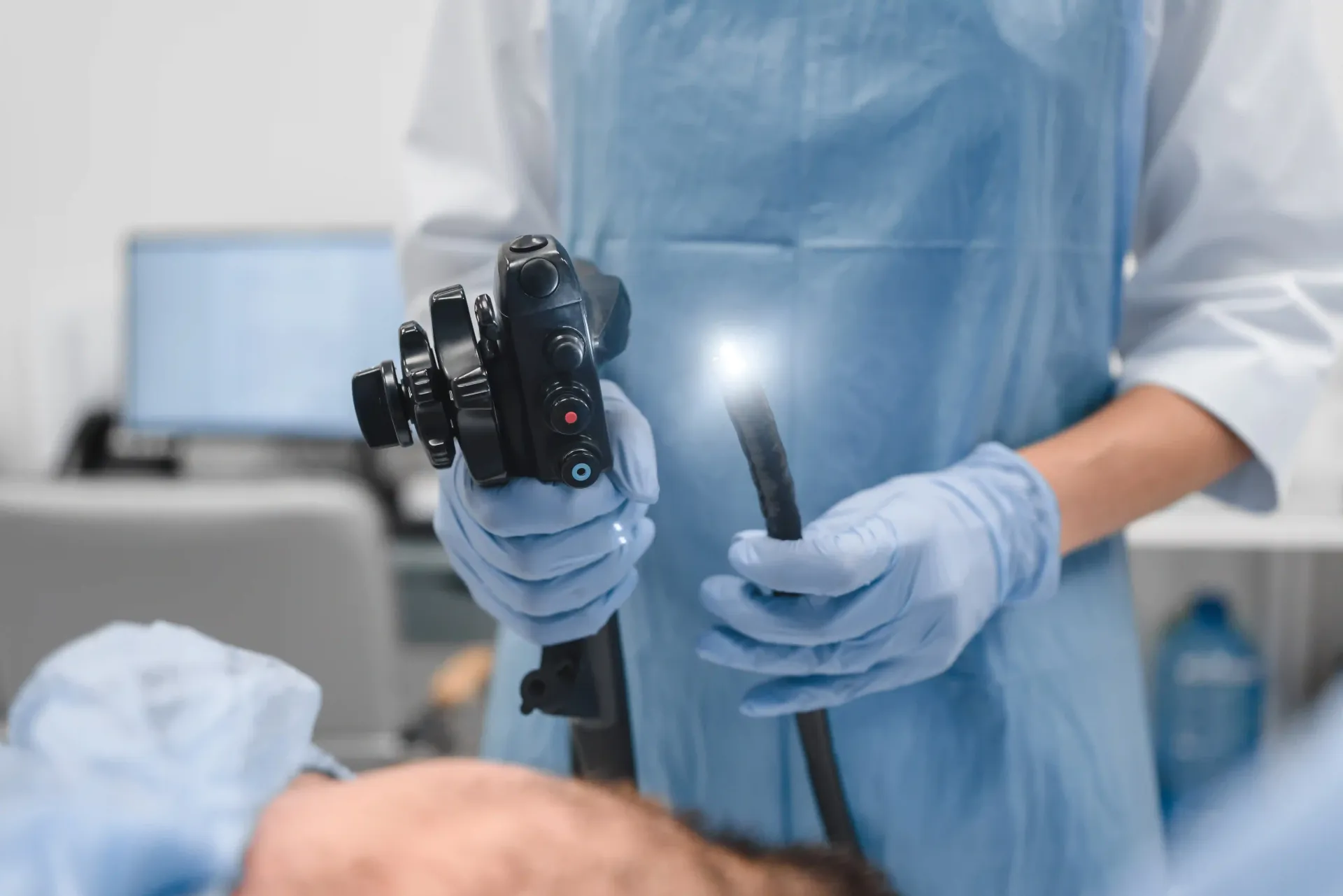
Wondering what happens during a gastroscopy screening? Learn how it is done, how to prepare, what to expect during and after the procedure.
Unsure if you should push haemorrhoids back in? Find out why piles doctors suggest caution for this and what you can do to safely deal with your piles.